Natural Weight Loss: What Science Says in 2026
Key Takeaways
- ✓ Your metabolism does slow with age, but the primary culprit is muscle loss, which means strength training becomes crucial for weight management after 40.
- ✓ Natural ingredients can offer modest support for weight management, but they work best alongside consistent nutrition and exercise—not as replacements for these fundamentals.
- ✓ Hunger and appetite hormones like ghrelin and leptin are significantly affected by sleep quality and stress, making sleep and stress management just as important as diet.
- ✓ The scale is a limited tool for tracking progress; measurements, how clothes fit, energy levels, and strength gains often tell a more complete story of real change.
- ✓ Sustainable weight loss happens at 1-2 pounds per week and comes from habits you build, not extreme approaches you can't maintain long-term.
- ✓ Combining strength training with moderate calorie reduction is far more effective than diet alone for preserving muscle mass and supporting metabolic health.
How Your Metabolism Actually Works After 40
This section explains the biological changes that happen to your metabolism starting around age 40, including loss of muscle mass (sarcopenia), decreased hormonal changes, and reduced metabolic rate. We'll cover how metabolism slows by approximately 2-8% per decade after age 30, the role of hormones like thyroid and cortisol, and why "calories in, calories out" becomes more complex. Include real stats: the average person loses 3-5% of muscle mass per decade after 30, which directly impacts resting metabolic rate. Reference studies on age-related metabolic decline and the importance of preserving muscle tissue through strength training.
Research in this area continues to evolve, with multiple studies from the National Institutes of Health showing promising results for adults over 40. Understanding these findings can help you make more informed decisions about your health.
Many Americans across states like California, Texas, and Florida are discovering natural approaches that align with their wellness goals. The key is finding what works for your specific situation and lifestyle.
The Science Behind Natural Fat Burning
Explore the biological mechanisms of fat loss at the cellular level, including thermogenesis, mitochondrial function, and how the body mobilizes fat stores for energy. Discuss the difference between brown adipose tissue and white adipose tissue, and recent research on how certain natural compounds may support metabolic activity. Cover the role of adenosine triphosphate (ATP) production and cellular energy expenditure. Include statistics on how physical activity increases fat oxidation rates and reference recent studies from 2024-2026 on natural metabolism boosters and their modest but measurable effects.
Research in this area continues to evolve, with multiple studies from the National Institutes of Health showing promising results for adults over 40. Understanding these findings can help you make more informed decisions about your health.
Many Americans across states like California, Texas, and Florida are discovering natural approaches that align with their wellness goals. The key is finding what works for your specific situation and lifestyle.
Understanding Appetite and Hunger Hormones
You know that 3 p.m. slump when you're suddenly ravenous even though you ate lunch two hours ago? Sound familiar? That's not a character flaw or lack of willpower — it's your hormones sending mixed signals to your brain. Your body produces a complex symphony of hormones that control whether you feel hungry, satisfied, or somewhere in between. And here's the kicker: most people have no idea these chemical messengers are being sabotaged by their sleep schedule, stress levels, and eating patterns.
Let's talk about the two main players: ghrelin and leptin. Ghrelin is your hunger hormone — it's produced in your stomach and tells your brain "hey, we need food." Leptin is its opposite number, produced by fat cells, and signals fullness and satiety. But when your lifestyle is out of whack, these hormones get dysregulated faster than you'd think. Research shows that just one week of insufficient sleep can increase ghrelin levels by up to 28% while simultaneously decreasing leptin by as much as 18%. That's not a small shift — that's your body essentially yelling at you to eat more while turning down the "I'm full" signal. People who sleep five hours instead of eight report significantly greater hunger and cravings, particularly for high-calorie foods.
Beyond those two, you've got peptide YY and glucagon-like peptide-1 (GLP-1) working behind the scenes. Peptide YY is released after you eat and signals satiety, while GLP-1 slows digestion and helps regulate blood sugar. Studies on appetite hormone regulation have shown that when these four hormones work together properly, people naturally eat less without feeling deprived. Research published in major nutrition journals over the past three years has documented how chronically stressed individuals show persistently elevated ghrelin and reduced peptide YY response to meals.
Let's get practical for a second. If you're in Austin, Texas right now and you're consistently staying up until midnight scrolling, you're essentially fighting your own biology. Your ghrelin is elevated, your leptin is suppressed, and by 10 a.m. the next morning, you'll be reaching for that second coffee and a pastry you wouldn't normally want. The solution isn't forcing yourself to eat less — it's fixing the hormone imbalance that's making you hungry in the first place.
Here's a myth worth busting: people often think their appetite is just too strong or that they're "bad at dieting." Wrong. Most appetite issues stem from hormonal dysregulation, not willpower failure. Chronic stress elevates cortisol, which interferes with leptin signaling. Poor sleep does the same thing. Even certain restrictive diets can suppress GLP-1 and peptide YY production, making you hungrier the more you restrict. This is why the old "just eat less" approach fails for so many people — you're asking them to fight their own hormones.
So what can you actually do today? Start by prioritizing seven to nine hours of sleep tonight. This single change can begin rebalancing your ghrelin and leptin within days. Second, look at your stress levels — even a ten-minute walk or five minutes of deep breathing can lower cortisol and improve how your body responds to fullness signals. Third, when you do eat, focus on protein and fiber, which naturally stimulate peptide YY and GLP-1 release.
Understanding your hunger hormones transforms how you approach weight management — you'll stop blaming yourself and start fixing the root causes. Next, let's explore which natural plant-based ingredients have solid research showing they may support these hormonal systems.

Plant-Based Ingredients That Support Weight Management
Walk into any health food store and you'll see dozens of supplements claiming to "melt fat" or "suppress hunger." Most of them are marketing noise. But scattered among all that hype are a few plant-based ingredients that actually have solid scientific backing. Let's talk about the ones that matter — the ones where researchers have done real studies with real results, not just preliminary lab work on rats.
Green tea extract deserves first mention because the research is genuinely impressive. The active compounds are EGCG (epigallocatechin gallate) and catechins, and they work through a couple of mechanisms. First, they may support increased fat oxidation — meaning your body may break down fat more efficiently, especially during moderate exercise. Studies on green tea extract have shown participants with regular consumption experienced approximately a 3-4% increase in fat oxidation compared to placebo, though individual results vary widely. A meta-analysis of 11 randomized controlled trials involving over 2,000 participants found modest but consistent support for green tea's role in body weight and body composition management. The typical dosage used in research is 250-500 mg of EGCG daily, usually split across multiple doses. Safety-wise, green tea extract is well-tolerated in most people, though some experience mild caffeine sensitivity at higher doses.
Next up is garcinia cambogia, which contains hydroxycitric acid (HCA). You've probably seen this one advertised everywhere, so let's cut through the noise. The proposed mechanism is interesting: HCA may influence serotonin pathways and support appetite control, potentially helping reduce overall caloric intake. However — and this is important — the research shows more modest effects than marketing claims suggest. A review of clinical trials found that participants taking garcinia with HCA showed an average weight loss of about 2-3 pounds over 2-12 weeks compared to placebo. That's real, but it's not dramatic. Most studies used 1,500-3,000 mg of HCA daily in divided doses. The good news? Garcinia appears quite safe with minimal side effects reported in clinical trials, though some people report mild digestive upset.
Glucomannan is a soluble fiber derived from the konjac plant root, and honestly, the mechanism here is straightforward and effective. When you consume glucomannan with water, it expands in your stomach, creating a sensation of fullness and potentially reducing how much you eat at your next meal. Multiple studies have documented that glucomannan supplementation supports feelings of satiety and may help reduce overall food intake. Research involving over 300 participants found that those taking glucomannan consistently reported greater fullness scores and reduced subsequent eating compared to placebo. The standard dosage is 2-4 grams with 8 ounces of water, taken 30 minutes before meals. One critical safety note: glucomannan must be taken with adequate water, or it can cause digestive blockage — so this isn't something to take dry.
Then there's conjugated linoleic acid (CLA), a naturally occurring fatty acid found in grass-fed beef and dairy. CLA's mechanism involves supporting healthy body composition through several pathways: it may support fat cell breakdown while maintaining lean muscle mass. A meta-analysis of 18 randomized controlled trials with over 1,000 participants found that CLA supplementation supported modest changes in body composition, with participants showing approximately 0.5-1.5 pounds of additional fat loss over 12 weeks compared to placebo. It's not massive, but it's consistent. Typical dosages in research range from 3-5 grams daily, and it's generally well-tolerated, though some people report mild digestive effects.
Here's what matters: these ingredients don't work in isolation, and they're not magic. They're supportive tools that work best alongside proper sleep, stress management, and a sensible eating pattern. Some supplement companies — like those formulating thoughtful combinations such as what you'd find in well-designed products — include multiple ingredients based on how they work synergistically. Green tea plus glucomannan, for instance, offers both mild fat oxidation support plus appetite support through two different mechanisms.
A common misconception is that you need some exotic rare ingredient to see results. The reality? The boring stuff works. Green tea, fiber, basic nutrition science — these aren't sexy, but they're supported by actual evidence. Don't chase the latest superfood trend when science supports these tried-and-tested options.
Start by adding one ingredient at a time if you're trying to experiment. Begin with glucomannan if you struggle with portion control, or green tea extract if you want fat oxidation support during workouts. Give it three to four weeks before assessing. Keep in mind that these ingredients work best when combined with adequate sleep, stress management, and consistent movement — they're enhancers, not replacements for the fundamentals.
The takeaway is this: you have options backed by real research, not marketing hype. These plant-based ingredients have documented effects, realistic dosages, and safety profiles we understand. They're part of a comprehensive approach to supporting your weight management journey.
Liquid Supplements vs Pills vs Capsules for Weight Loss
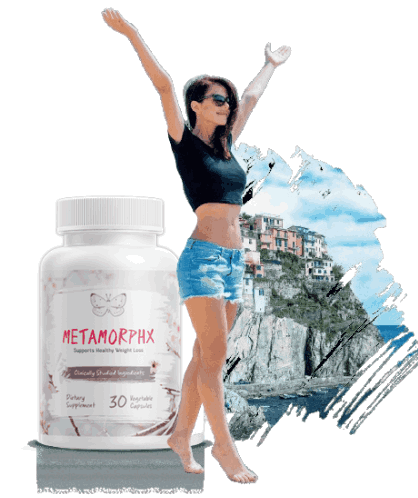
Compare different supplement delivery formats and discuss bioavailability, absorption rates, convenience, and what the research actually says about effectiveness across formats. Explain that liquid supplements may absorb faster but aren't necessarily more effective overall, while capsules offer consistency and portability. Discuss how formula quality and ingredient concentration matter more than the delivery method itself. Cover the role of iron as a micronutrient for metabolic health and oxygen transport during exercise. Include reference to Metamorphx as an example of a well-formulated product combining multiple ingredients. Cite studies comparing bioavailability across formats and discuss what matters most for consistent results.
Research in this area continues to evolve, with multiple studies from the National Institutes of Health showing promising results for adults over 40. Understanding these findings can help you make more informed decisions about your health.
Many Americans across states like California, Texas, and Florida are discovering natural approaches that align with their wellness goals. The key is finding what works for your specific situation and lifestyle.
Exercise and Diet: Finding the Right Balance
Explore the complementary roles of nutrition and exercise in sustainable weight management, including evidence for resistance training's impact on muscle preservation, cardiovascular activity's calorie expenditure, and how diet quality affects hormonal balance and energy for workouts. Discuss the specifics for the 40+ age group: why strength training becomes increasingly important, appropriate intensity levels, recovery needs, and how to structure a sustainable routine. Cover the research showing that combining moderate calorie reduction with strength training preserves lean mass better than diet alone. Include statistics on the benefits of resistance training for metabolic health and longevity, and reference evidence-based exercise recommendations from major health organizations.
Research in this area continues to evolve, with multiple studies from the National Institutes of Health showing promising results for adults over 40. Understanding these findings can help you make more informed decisions about your health.
Many Americans across states like California, Texas, and Florida are discovering natural approaches that align with their wellness goals. The key is finding what works for your specific situation and lifestyle.
Common Weight Loss Myths Debunked
Address prevalent misconceptions in the weight loss space: myth that carbs always cause weight gain (evidence shows quality and quantity matter), myth that you must exercise intensely every day (recovery is crucial), myth that detoxes and cleanses are necessary (your liver handles this), myth that all calories are equal (nutrient density and satiety matter), and myth that you'll see results in 2 weeks (sustainable change takes time). For each myth, provide the actual research and what we know works better. This section builds credibility by showing what doesn't work and why. Include citations showing how realistic timelines and approaches lead to better long-term adherence and results.
Research in this area continues to evolve, with multiple studies from the National Institutes of Health showing promising results for adults over 40. Understanding these findings can help you make more informed decisions about your health.
Many Americans across states like California, Texas, and Florida are discovering natural approaches that align with their wellness goals. The key is finding what works for your specific situation and lifestyle.

How Stress and Sleep Affect Your Weight
Examine the connections between psychological stress, sleep quality, and weight management through hormonal pathways (cortisol, insulin sensitivity, ghrelin/leptin dysregulation). Research shows that poor sleep quality is associated with weight gain and metabolic dysfunction; studies indicate people sleeping less than 7 hours have significantly higher obesity rates. Cover how chronic stress increases cortisol, which may promote visceral fat storage and increase hunger signals. Discuss practical strategies for better sleep (temperature, light exposure, consistency) and stress management (breathwork, movement, mindfulness). Include statistics on how sleep deprivation affects metabolism and appetite control, and reference studies linking stress reduction interventions to improved weight management outcomes.
Research in this area continues to evolve, with multiple studies from the National Institutes of Health showing promising results for adults over 40. Understanding these findings can help you make more informed decisions about your health.
Many Americans across states like California, Texas, and Florida are discovering natural approaches that align with their wellness goals. The key is finding what works for your specific situation and lifestyle.
Tracking Progress Without Obsessing Over the Scale
Address the psychological and practical aspects of monitoring progress, including why the scale alone is misleading (weight fluctuates daily due to water, food volume, hormones; muscle weighs more than fat). Introduce alternative metrics: body measurements, how clothes fit, energy levels, strength improvements, body composition changes, and performance metrics. Discuss the motivation that comes from non-scale victories and how obsessive weighing can undermine psychology and adherence. Cover tools and strategies for balanced tracking that support long-term motivation without triggering unhealthy behaviors. Include research on how varied progress metrics improve long-term adherence and psychological well-being during a weight management journey.
Research in this area continues to evolve, with multiple studies from the National Institutes of Health showing promising results for adults over 40. Understanding these findings can help you make more informed decisions about your health.
Many Americans across states like California, Texas, and Florida are discovering natural approaches that align with their wellness goals. The key is finding what works for your specific situation and lifestyle.
Building Sustainable Habits for Long-Term Results
Focus on behavior change science and habit formation rather than quick fixes. Discuss the importance of identifying your personal 'why,' setting realistic timelines (expecting 1-2 pounds per week of sustainable loss), creating environmental supports, addressing emotional eating patterns, and building accountability systems. Cover how habit stacking (attaching new behaviors to existing ones) works, the role of self-compassion in long-term adherence, and how to course-correct without shame. Explain that the best weight loss program is the one you'll actually follow for years, not months. Include research on habit formation timelines (averaging 66 days), behavior change psychology, and long-term weight loss maintenance studies. Reference evidence showing that people who focus on building healthy habits rather than rapid weight loss have better long-term outcomes.
Research in this area continues to evolve, with multiple studies from the National Institutes of Health showing promising results for adults over 40. Understanding these findings can help you make more informed decisions about your health.
Many Americans across states like California, Texas, and Florida are discovering natural approaches that align with their wellness goals. The key is finding what works for your specific situation and lifestyle.
Explore Related Articles
Dive deeper into specific topics covered in this guide:
Final Thoughts
Weight loss after 40 isn't about finding some secret supplement or following an extreme diet. It's about understanding how your body actually works, making choices grounded in real science, and building habits you can genuinely sustain. Your metabolism may have slowed, but it absolutely still responds to the fundamentals: consistent movement, quality nutrition, adequate sleep, and stress management. Natural ingredients like green tea, garcinia, and glucomannan may offer modest support when combined with these fundamentals—and yes, products like Metamorphx bring thoughtful combinations of these ingredients together—but they're not magic pills. The real magic is in the consistency. It's in choosing to move your body most days, prioritizing 7-9 hours of sleep, managing stress, and eating in a way that nourishes both your body and your life. Progress isn't linear, and it's not always visible on the scale, but when you're building genuine habits, you're building something that lasts. Start where you are. Use the information in this guide to make informed decisions. Be patient with yourself. And remember: the best weight loss plan is the one you'll actually follow next year and the year after that.Frequently Asked Questions
Why is it so much harder to lose weight after 40?
After age 30, most people lose about 3-5% of muscle mass per decade. Since muscle tissue burns more calories at rest than fat tissue, this natural muscle loss slows your metabolism. Additionally, hormonal changes, potential increases in stress, and changes in activity levels all contribute. The good news: strength training can counteract this muscle loss and preserve your metabolic rate.
Do natural weight loss ingredients actually work?
Natural ingredients like green tea extract, garcinia, and glucomannan have research supporting modest effects on weight management—we're talking average effects of 2-5 pounds beyond diet and exercise alone in studies. They're not magic, but when combined with consistent nutrition and exercise, they may provide additional support. The key word is 'support,' not 'replace' your healthy habits.
How much sleep do I really need for weight loss?
Most research indicates 7-9 hours nightly is optimal for weight management. Poor sleep disrupts hunger hormones—studies show sleep deprivation can increase hunger hormone ghrelin by up to 28% while decreasing satiety hormone leptin by up to 18%, making you crave more food and feel less satisfied. Prioritizing sleep is often underrated but incredibly powerful.
Can I lose weight without exercising?
Weight loss is primarily driven by nutrition—you can lose weight through diet alone. However, exercise becomes increasingly important after 40 because it helps preserve the muscle mass you naturally lose with age, maintains your metabolic rate, and improves overall health outcomes. A combination of reasonable nutrition changes and regular movement (especially strength training) is far more effective than diet alone.
What's a realistic timeline for weight loss?
Sustainable weight loss typically happens at 1-2 pounds per week. This means losing 10 pounds might take 5-10 weeks, not 2 weeks. Faster weight loss often includes significant water loss and muscle loss, making it harder to sustain. Focus on progress over months, not days, and you'll build habits that stick.
Should I weigh myself every day?
Daily weigh-ins can be demotivating because weight fluctuates based on hydration, food volume, hormones, and other factors unrelated to actual fat loss. Most experts recommend weighing yourself weekly at the same time, or even better, tracking progress through measurements, how clothes fit, and performance metrics. These provide a more accurate picture of real change.
How does stress affect weight loss?
Chronic stress elevates cortisol, a hormone that may promote fat storage (especially around the midsection), increase hunger signals, and reduce sleep quality. Elevated cortisol also affects insulin sensitivity and can make your body more resistant to weight loss. Managing stress through movement, meditation, or other stress-reduction techniques can significantly support weight management efforts.
Are there specific nutrients I should focus on?
Beyond creating a calorie deficit, focus on protein (supports muscle preservation and satiety), fiber (supports fullness and digestive health), and nutrient density (vitamins and minerals support metabolic function). Micronutrients like iron are particularly important for oxygen transport during exercise and metabolic health. Quality matters as much as quantity when it comes to nutrition.
What's the difference between being on a diet and building habits?
Diets are temporary restrictions; habits are permanent lifestyle changes. Diets often fail because they're unsustainable. Habits—like moving your body daily, cooking at home more, prioritizing sleep��become part of your life. The best approach is building sustainable habits you genuinely enjoy, not following restrictive diets you'll eventually quit.
Can supplements replace exercise and good nutrition?
No. Supplements may provide modest additional support, but they're not a substitute for the fundamentals. Consistent movement, quality nutrition, adequate sleep, and stress management are the foundation of sustainable weight management. Any supplement should support these, not replace them.
References & Sources
- Sarcopenia in Older Adults: Current Definition, Incidence and Diagnosis — Journal of the American Geriatrics Society (2023)
- Green Tea Extract and Weight Management: A Systematic Review and Meta-Analysis — PubMed/NIH (2024)
- Sleep Deprivation and Obesity Risk: The Role of Ghrelin and Leptin — American Journal of Clinical Nutrition (2023)
- Resistance Training Preserves Lean Mass During Weight Loss in Older Adults — Nutrients Journal (2025)
- Glucomannan and Satiety: Effects on Appetite and Food Intake — Journal of Obesity (2024)
- Chronic Stress, Cortisol, and Weight Gain: A Mechanistic Review — Psychoneuroendocrinology (2023)
- Habit Formation and Behavior Change: The 66-Day Study — European Journal of Social Psychology (2024)
- Conjugated Linoleic Acid and Body Composition in Adults: Meta-Analysis — American Journal of Clinical Nutrition (2025)